Compare temple life in Hong Kong, Guangdong and Sichuan, with clear distinctions between English retreat teaching, volunteer residence and admission still to confirm.
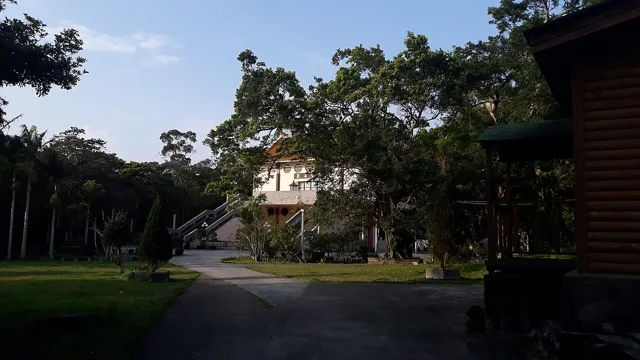
Lotus Pond Temple, Lantau Island, Hong Kong Photo credits
Guide updated ·
Can a foreign visitor stay in a Chinese temple?
Some temples accept overnight enquiries. Lotus Pond lists one or two nights; Donghua and Duoyin Guan link stays to communal work. Confirm foreign-passport admission, language and dates directly. Choose a temple routine, rather than assuming a stay includes a taught retreat.
For a first stay in English, ask Lotus Pond Temple in Hong Kong about one or two nights. Mainland temples usually expect contact in Chinese; we can make that enquiry for you.
Easiest to ask in EnglishLotus Pond Temple / Plum Village Hong Kong. One or two nights by enquiry on Lantau Island, joining sitting, walking, meals and shared work. Some retreats there are taught in English.
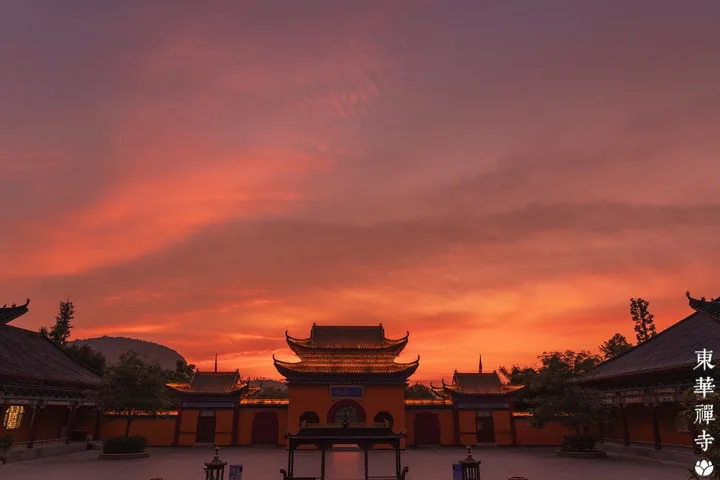
A mainland Chan monastery routineDonghua Chan Monastery. Early liturgy, work, sitting and evening teaching, arranged through the guest office for ages 20–60. Expect to ask in Chinese whether a foreign passport is accepted.
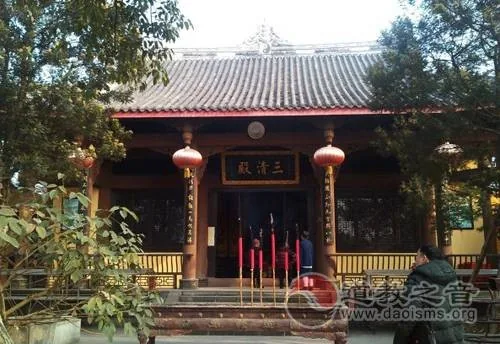
Daoist temple life as a volunteerDuoyin Guan. Accepted volunteers aged 18–55 receive simple lodging and meals in return for service; there is no published minimum stay.
We agree the work and any service fee with you before proceeding. The host confirms admission, dates and accommodation.
A temple stay can mean joining a community’s meals, work and practice, or attending a scheduled residential retreat. The places below publish ways to participate and stay overnight. They differ in language, admission and how much of the day belongs to communal service.
For an overseas applicant, a published lodging programme is only the beginning. None of these three records establishes unrestricted foreign-passport admission. Ask the host to confirm your nationality, dates and teaching language together before making travel arrangements.
Which temple explicitly describes a one- or two-night stay?
Lotus Pond’s temple-stay page discusses 1–2 nights and asks guests to bring a sleeping bag. Donghua and Duoyin Guan tie accommodation to community life and work. Check admission before arranging travel. Official source
Compare the practical details
Scroll the table sideways on a small screen.
Published arrangements; confirm your dates with the host.
For Plum Village mindfulness and a possible short stay
Lotus Pond’s temple-stay page discusses one or two nights by enquiry. Daily participation includes sitting, walking, meals and shared work. Selected retreats explicitly offer English teaching; that does not establish the language arrangements for every flexible stay.
Time to allow
One- or two-night temple stays are arranged by enquiry. The separate 21–25 October 2026 retreat had a published registration deadline of 10 October.
Language evidence
English support stated
Before you enquire Ask whether your stay follows the regular temple routine or a named retreat, and confirm language, shared room arrangements and admission.
Donghua’s lodging guide describes early liturgy, work, sitting and evening teaching. It specifies ages 20–60 and an identity document. The guest office needs to confirm whether a foreign passport is accepted. English residential teaching has not been established.
Time to allow
Lodging by advance arrangement; no verified minimum.
Language evidence
Ask about English
Before you enquire Contact the monastery’s guest office about its own lodging programme. A separately marketed retreat package needs its own organiser and accommodation checks.
Duoyin Guan’s volunteer invitation offers simple lodging and communal meals to accepted applicants aged 18–55. Service is central to the stay. Chanting is part of the routine; sitting and standing practice may be learned in free time.
Time to allow
Volunteer stay by screened arrangement; no published minimum found.
Language evidence
English not established
Before you enquire Confirm foreign-passport eligibility, a workable language, the expected tasks and the required length of service. No minimum stay is verified.
For a night before or after your programme. Check whether your host already includes accommodation. These are ordinary hotel searches, not temple stays.
A guest room inside a religious institution does not imply private lessons or unrestricted access to ceremonies. Decide how you feel about early starts, shared rooms, work duties and periods of silence. Ask for an ordinary day’s timetable rather than judging a stay only by photographs.
Keep the host and the seller clear
Some experiences are arranged through a separate retreat organiser. Establish who accepts the application, who runs the practice and who provides the bed. Still Mountain is an independent directory: applications and arrangements are made with the host or named organiser.
Questions about this experience
Can I stay without speaking Chinese?
Possibly, depending on the exact programme. Selected Lotus Pond retreats publish English teaching. Donghua and Duoyin Guan still need direct language confirmation. An English website alone does not establish English support throughout a residential stay.
Can I arrive without arranging a stay?
Use advance contact for these stays. The published routes involve enquiry, lodging applications or volunteer screening; a listing is not a room reservation.
Is a temple stay the same as a meditation retreat?
They can overlap, but their commitments differ. A scheduled retreat usually has its own dates and practice rules. A temple residence may centre on the community’s everyday routine and service. Read the notice for the programme you intend to join.
Based on the linked programme sources and our research register. We have not visited or inspected these programmes; confirm dates and admission with each host.